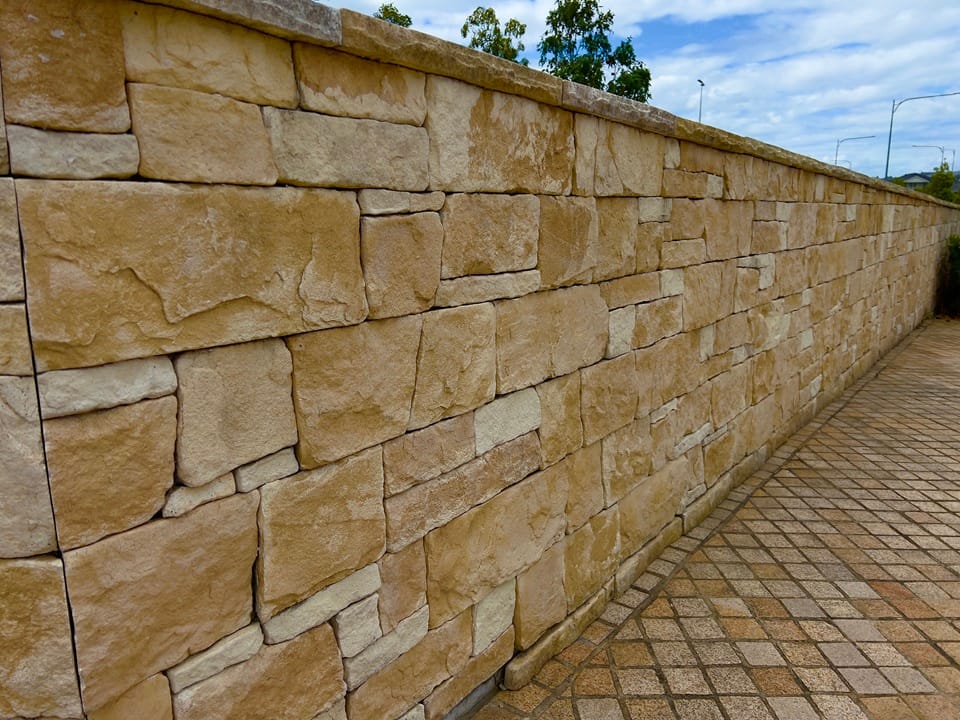
We provide high quality stone masonry in Salt Lake, UT that enhances your property with natural beauty and strength. From stone walls and entryways to veneer accents and outdoor features, our masons carefully select and set each stone. Enjoy custom stonework that complements your home and landscape.
Superior Masonry Salt Lake provides professional stone masonry throughout Salt Lake, UT, Utah and the surrounding area. Our licensed, insured crew delivers safe, clean, on-time work with a free estimate before anything begins. Call (385) 243-7505 or request your free quote.
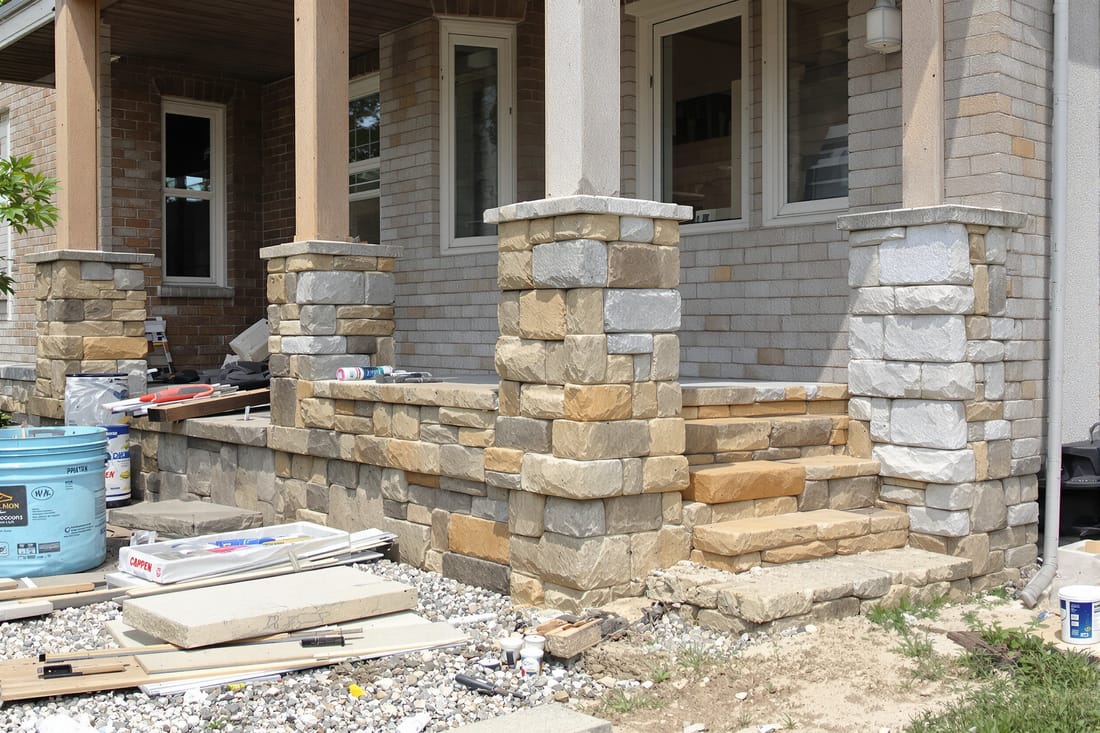
Stone masonry in Salt Lake that fits your home and our climate
Stone masonry in Salt Lake is a little different than in warmer, wetter places. We deal with freeze-thaw cycles, snowmelt, and high summer sun, so the way Superior Masonry Salt Lake builds with stone is very intentional. When we look at your project, we start with three basic questions: how will the stone be used (structural or decorative), how much weather exposure it will see, and what look you want next to your existing brick, siding, or stucco.
If you live in Salt Lake, you have several practical stone options. Locally quarried sandstone and quartzite are common for patios and garden walls because they handle our dry climate well. Limestone and travertine give a lighter, clean look, but we usually recommend them in areas with less de-icing salt and heavy traffic. For veneers and fireplaces, many homeowners choose natural thin stone or high-quality manufactured stone that matches the Wasatch Front style without the weight and cost of full-depth stone.
During an on-site visit, we walk your property, look at drainage, existing concrete or foundation conditions, and any settlement cracks in nearby structures. This tells us what kind of base or footing your stone will need. In Sugar House and The Avenues, we often see older, uneven foundations, so we plan extra prep to keep new stone from shifting. In newer subdivisions, the subgrade is usually more uniform, which can reduce labor. Our goal is to match stone type and installation method to your specific house, not just sell a standard package.
How Superior Masonry Salt Lake actually installs stone
A solid stone masonry project is 80 percent preparation. For patios, walkways, and steps, we start by excavating to the correct depth, usually 6 to 8 inches below finished grade. We compact a road base layer in thin lifts, check slope with a level or laser to shed water away from the home, then add a bedding layer of sand or mortar depending on the design.
For stone veneers on walls, chimneys, and foundations, we first inspect the existing surface. On bare concrete or block, we clean, repair cracks, and sometimes add a bonding agent. On framed walls, we install a moisture barrier, metal lath screwed into studs, and then a scratch coat of mortar that cures before any stone is set. This step is critical in Utah's dry air, because mortar can flash-dry and lose strength if not handled properly.
Once the base is ready, we sort stone by size, color, and thickness. Our masons lay out patterns on the ground first to avoid clusters of similar stone and to balance joints. For full-depth stone, we butter each piece with mortar and bed it firmly, checking alignment as we go. For thin veneer, we use a modified mortar mix for better adhesion, then press and wiggle the stone to create suction. Joint spacing is planned so that grout lines look natural and stay easy to maintain.
After the stone is set, we tool the joints. In Salt Lake, we often recommend slightly recessed or flush joints for exterior work to minimize water sitting on ledges. Inside fireplaces or accent walls can handle more creative joint profiles. Finally, we clean the face of the stone without harsh acids that could damage softer sandstone or limestone, and we allow proper cure time before any sealing or heavy use.
Design options for patios, walls, fireplaces, and more
Stone masonry can be subtle or bold, and the choices you make at the design stage can save money and reduce maintenance later. Superior Masonry Salt Lake walks you through real-life examples of what works well in our area, not just catalog photos.
For patios and walkways, you can choose irregular flagstone for a more natural, mountain feel or cut stone pavers for a cleaner, modern look. Irregular stone usually requires more hand-fitting and joint work, which affects labor cost. Cut pavers install faster but can show patterns more clearly, so we design the layout to avoid repetitive lines. In areas with snow shoveling, we suggest joints that are not too wide so tools do not catch.
Retaining and garden walls can be dry-stacked (no visible mortar) or mortared. Dry-stack looks very natural and, if built correctly with a proper gravel backfill and drain, works well with our freeze-thaw cycles. Mortared walls give a crisper look and resist movement better in taller applications. We often use a combination, with a structural core and a dry-stack face, to get both function and appearance.
Fireplaces and outdoor kitchens allow for a lot of creativity. You can mix stone types or blend stone with brick. Many Salt Lake homeowners choose a ledgestone veneer around gas inserts and a more rugged fieldstone on outdoor wood-burning fireplaces. We account for clearances to combustible materials, venting, and codes based on Salt Lake City or county requirements, then wrap the firebox or frame in stone that can handle heat and still look good long term.
If you are part of an HOA in areas like Daybreak or planned communities in South Jordan and Herriman, we help you select stone styles and colors that match approved neighborhood palettes. We can provide sample boards and basic drawings to submit with your HOA application so you do not run into delays after you are excited to start.
Costs, permits, and what affects your stone masonry budget
Stone masonry prices in Salt Lake vary because each project is different. At Superior Masonry Salt Lake, we explain what drives cost so you can make informed choices. The main factors are stone type, project size, access to the work area, and how much prep or structural work is needed.
Natural full-depth stone is usually the most expensive option because of both material and labor. Thin stone veneer tends to cost less per square foot installed and often works well for most residential walls and fireplaces. Manufactured stone can be more budget friendly and, with better brands, still looks very convincing. However, it may not handle impact or long-term moisture quite as well as natural stone, which is something to weigh if you are close to ground level or in high-traffic areas.
Complex patterns, curves, steps, and tight spaces can increase labor. For example, a straight 30-foot garden wall is faster to build than a curved wall with multiple elevation changes. If we have to hand-carry materials into a backyard with no side access, that also affects the quote. During your estimate, we point out any of these factors so the final price matches what you actually see on site.
Permits are usually required for structural walls over a certain height, changes to a home’s exterior footprint, and new masonry fireplaces or chimneys. In Salt Lake City, taller retaining walls can also trigger engineering requirements and inspections. We can help you determine whether your project is considered cosmetic veneer or a structural change and coordinate with the city or county when needed. For small interior stonework and simple veneer over existing concrete, permits often are not required, but we still follow best practices so work would pass scrutiny if it were inspected.
We provide written estimates that spell out the type of stone, square footage or linear footage, base preparation details, and any demolition or haul-away. That way there are fewer surprises later, and you can compare options clearly if you are deciding between, say, a smaller area of premium natural stone versus a larger area of manufactured veneer.
Local issues: freeze-thaw, salt, cracking, and long-term care
Utah's climate, with hot summers and cold winters, is tough on masonry if it is not installed correctly. A big part of Superior Masonry Salt Lake's work is preventing common problems before they appear. For outdoor stone, we always consider drainage first. Water that sits behind or under stone will freeze, expand, and eventually push material apart. This is why we build in proper slope, gravel backfill, and weep holes when needed.
De-icing salts used on sidewalks and driveways can slowly damage some types of stone and mortar. When we design stone steps or entryways, we talk about how you clear ice in winter and can recommend more salt-resistant stone or suggest using sand or a milder ice melt. For patios that tie into a concrete driveway, we plan joint details and sometimes small separations to reduce cracking where two different materials move at different rates.
Cracking in stone masonry usually comes from movement in what is underneath the stone, not the stone itself. That is why we spend time compacting base layers, checking for soft spots, and sometimes adding control joints in long runs of work. If you have an older stone or brick feature that already shows cracks or loose pieces, we can assess whether it needs full rebuilding or can be repaired with tuckpointing, pinning, or partial rebuilds.
For long-term care, most exterior stone in Salt Lake does not require frequent sealing, but certain porous stones and high-splash zones can benefit from a breathable sealer applied correctly. We explain which parts of your project should be sealed, how often to reapply, and what cleaners to avoid so you do not shorten the life of your masonry. We also recommend a simple yearly check, especially after winter, to spot early signs of movement or mortar deterioration so small fixes stay small and affordable.