Home › Masonry Restoration and Historic Preservation
We perform historic masonry restoration in Salt Lake, UT for landmark brick and stone buildings. Our preservation team uses compatible materials, gentle cleaning, and careful repair methods to respect original construction. Protect the character and integrity of your historic property with expert masonry restoration.
Superior Masonry Salt Lake provides professional historic masonry restoration throughout Salt Lake, UT, Utah and the surrounding area. Our licensed, insured crew delivers safe, clean, on-time work with a free estimate before anything begins. Call (385) 243-7505 or request your free quote.
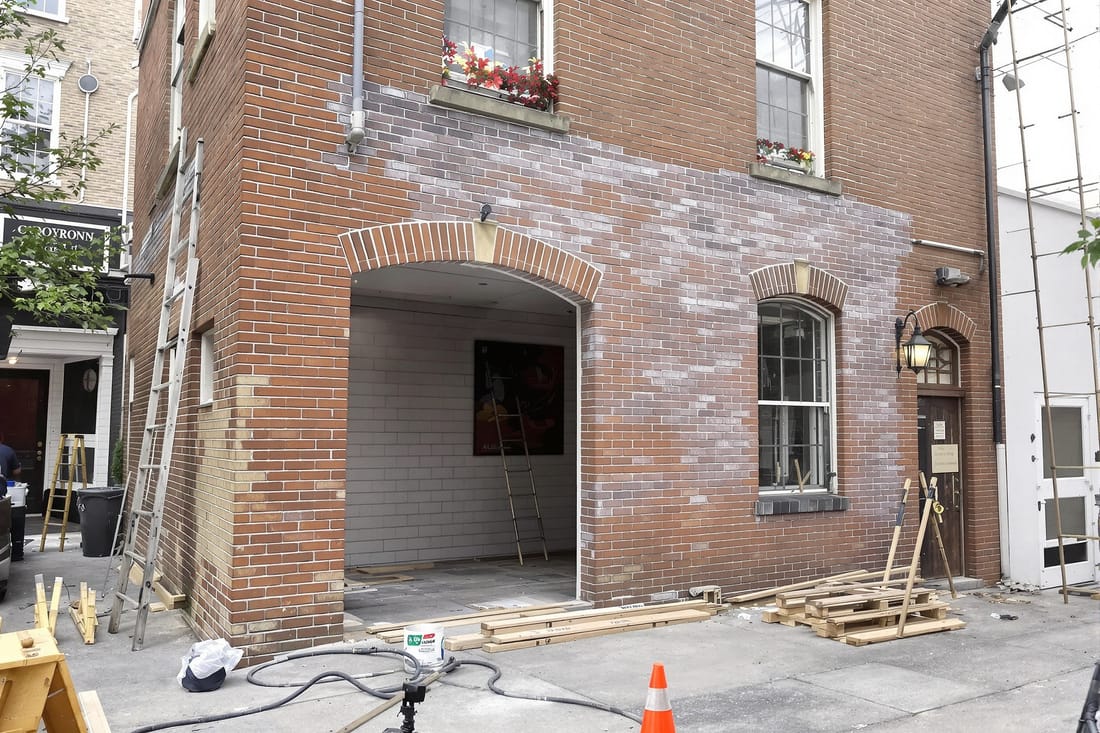
Careful restoration for Salt Lake’s historic brick and stone
If you own a historic home, church, storefront, or landmark in Salt Lake, you already know the masonry is different from what people build with today. Older brick, lime-rich mortars, and hand-cut stone all behave in their own way in our dry climate and cold winters. At Superior Masonry Salt Lake, our historic masonry restoration work starts with understanding what your building is made of and how it has weathered over the last several decades.
Rather than rushing in with grinders and new mortar, we begin with a detailed visual survey. We look for patterns like stair-step cracking along mortar joints, spalled brick faces near grade, salt staining from de-icing chemicals, or bulging sections caused by trapped moisture. We photograph and map issues on elevations so you can see exactly what is happening and where. On older homes in neighborhoods like The Avenues and Sugar House, we often find several generations of patching, which we document so we can remove only what is unsafe or damaging.
Once we know the condition, we focus on compatibility. Historic masonry is a system, and if you repair one part with the wrong material, it can actually speed up deterioration. Our goal is to match the original strength, color, and texture so the repaired areas are both durable and visually quiet. This is especially important in more visible places like Main Street facades and corner commercial buildings where small mismatches really stand out.
How we approach historic masonry restoration step by step
Superior Masonry Salt Lake follows a repeatable but flexible process so each project gets the attention it deserves.
1. Initial site visit and assessment: We meet you on site, walk the entire structure, and talk through the history of the building as you know it. We note water sources like downspouts, sprinklers, and roof drainage, since a lot of masonry damage in Salt Lake comes from poor water management in a freeze-thaw climate.
2. Material identification: When needed, we take small mortar or brick samples from inconspicuous areas. These can be sent for lab analysis, or we can run in-house tests for hardness and absorption. This tells us whether your building was built with softer lime mortar or later Portland cement mixes, and how vapor permeable the wall needs to remain.
3. Cleaning and surface preparation: Many older buildings have soot, efflorescence, or paint layers that hide hairline cracks. We use the gentlest cleaning method that works, such as low-pressure water washing and non-acidic cleaners. Sandblasting is almost never appropriate for historic masonry in Salt Lake, since it erodes the brick face and opens it to water penetration.
4. Repair work: This can include repointing mortar joints, stitching cracks with helical ties, replacing damaged bricks or stones, resetting loose capstones, and addressing failing lintels. On sandstone and limestone, we sometimes use mineral-based patching materials to rebuild missing corners or edges, carefully shaped and textured to match.
5. Final protection and drainage corrections: After repairs, we evaluate whether breathable water repellents or simple drainage improvements (like splash blocks, gutter repairs, and regrading) are appropriate. In Utah’s climate, we are careful to preserve the ability of walls to dry out to the exterior, so we stay away from heavy, non-breathable sealers on historic work.
Throughout the process, we keep you updated with photos and clear explanations so you understand what is behind every recommendation and change order.
Matching historic materials and appearance
One of the most challenging parts of historic masonry restoration is getting the look and feel right. Superior Masonry Salt Lake spends significant time on mockups so you can see how materials will look before we restore large areas.
For repointing, we custom blend mortars to match your existing joints. That means adjusting the sand color and gradation, binder type, and even the tooling profile. Joints on a 1920s brick bungalow in Salt Lake often have a different finish than those on an 1890s commercial block downtown. We take small test areas, allow them to cure, and get your approval before proceeding.
For brick replacement, we source reclaimed brick whenever possible, especially for visually prominent walls and chimneys. When reclaimed units of the right size or color are not available, we look to regional manufacturers with compatible products and use weathering and staining techniques to reduce the “new brick” appearance. We avoid scattering replacement bricks randomly, instead grouping them in less noticeable locations or full-course replacement patterns that age more naturally.
On historic stone buildings, particularly those built with local sandstone or granite, we pay close attention to stone orientation and tooling marks. Cutting a replacement stone incorrectly can make it shed water the wrong way and accelerate deterioration. Our masons carefully replicate chisel marks, arris details, and joint widths so the repair blends in with the original craftsmanship.
We also coordinate with painters and window contractors when needed. For example, if you are restoring original wood windows set into brick openings, we will sequence work so masonry repairs are done before final painting and glazing to avoid damage to freshly restored finishes.
Common historic masonry problems in Salt Lake and how we fix them
Our local climate and building history create a specific set of issues that Superior Masonry Salt Lake is used to seeing and repairing.
Freeze-thaw spalling: Masonry that absorbs water during warmer days and then freezes at night will flake and break apart over time. We typically see this on north-facing walls, parapets, and chimney tops. Our fix often involves removing deteriorated units, addressing the water source (failed flashing, cracked caps, missing mortar), and installing compatible replacement units with proper slope and detailing.
Hard cement over soft brick: Many older Salt Lake buildings were built with softer bricks and lime mortars. Later repairs with dense Portland cement can trap moisture in the brick or stone. This leads to spalling and cracking around the hard patches. We carefully remove inappropriate cement-based patches and repoint with a softer, vapor-permeable mix that lets the wall breathe.
Bulging or leaning walls: Long-term water infiltration and rusting of embedded metal can create bowing in masonry walls. For minor bulges, we may insert stainless helical ties to reconnect outer wythes to the backup. For more serious movement, we work with structural engineers to design discreet reinforcement, such as interior wall anchors or steel frames that stabilize the masonry without changing the exterior appearance.
Mortar joint erosion and open joints: UV exposure, salt from de-icing, and wind can wear down joints, especially near ground level and along busy streets. Open joints let water into the wall and need timely repointing. We rake out only the deteriorated mortar by hand, to a proper depth, to protect the surrounding brick. Then we fill in lifts so joints cure properly and maintain long-term bond.
Chimney and parapet issues: Chimneys and parapets sit above the roofline and take the brunt of weather. We address cracked crowns, missing caps, failing step flashing, and loose bricks that can become safety hazards. Often a combination of rebuild, cap replacement, and new flashing solves chronic leak problems inside the building.
What affects cost and how to plan your preservation project
Historic masonry restoration is more involved than standard brick repair, so it helps to know what drives pricing and timelines before you start.
Access and height: Work on upper stories, steep roofs, or tight downtown alleys may require scaffolding, lifts, or street permits. These access needs are a significant part of the budget on downtown Salt Lake projects and taller churches or schools.
Scope of deterioration: A few localized patches of repointing and brick replacement cost far less than a full facade restoration. During our assessment, Superior Masonry Salt Lake will help you prioritize, for example, starting with areas where water is entering the building or where pieces of masonry pose a risk to people below.
Material matching and testing: Projects that require lab analysis, custom mortar blends, reclaimed brick, or hand-cut stone inevitably take more time and skilled labor. We are upfront about these needs so you can decide where exact matching is critical and where close-but-not-perfect is acceptable, such as on secondary elevations.
Coordination with other trades: If your project involves roofing, window replacement, or interior renovations, the schedule and scope of those trades can impact our work. Ideally, masonry restoration is done before new roofing edges, window trims, and finished landscaping go in, so we can access everything without damaging new work.
To plan your project, we recommend starting with an evaluation at least one season before you want work to begin. That allows time for permits in historic districts, HOA or board approvals, and any required coordination with the city. We provide detailed written proposals that outline specific tasks, materials, access needs, and allowances, so you can see exactly where your money is going and adjust the scope to fit your budget while still protecting your building’s historic character.